So, I stumbled upon a fantastic interview with Derek Jacobi this morning where he discussed the “Actor’s Ladder” of roles that every great classical thespian must face if they want to feel they’ve tackled the “great” roles at each stage of life. He spoke specifically of men’s roles (there is a women’s “ladder” that we will discuss shortly). Jacobi spoke of Romeo as the very young man’s first real test (even if Juliet is likely the more memorable role in the play), Hamlet as the the next true mountaintop to climb, and then age drives the actor to King Lear. Of course, life is long and I thought of all the rungs in that proverbial ladder that an actor needs to climb between 30-something Hamlet and 84-year-old Lear. And here I am dragging my Pelican Shakespeare (published by Penguin) to see what a full ladder would look like. So, class, let’s take a climb…
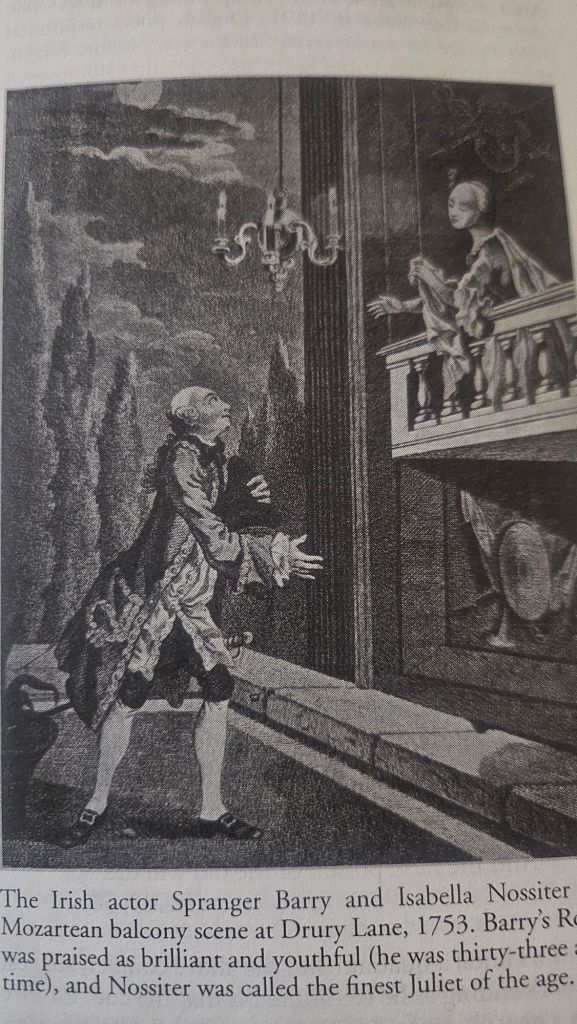
Ah, Romeo, that crazy, charismatic, love-hungry mid-teen who ultimately became “fortune’s fool.” This is the first rung on the Actor’s Ladder for great Shakespeare male leads and I do truly feel this is one where the actual age of the player is fundamental. There may be some give in terms of age with roles for actors later in life. But this pair of lead characters are so defined by their youth. They’re impetuous and they’re hormonal. Some historians have mused Shakespeare wrote the script showing the deep fallibility of Romantic love and how it can drive us to commit acts so ridiculous we might as well be deemed insane. As a role, Romeo does provide the very young actor to explore the sort of wondrously scripted insanity usually reserved for opera. Fear not. The actor quickly ages out of this phase and climbs up to the next rung…
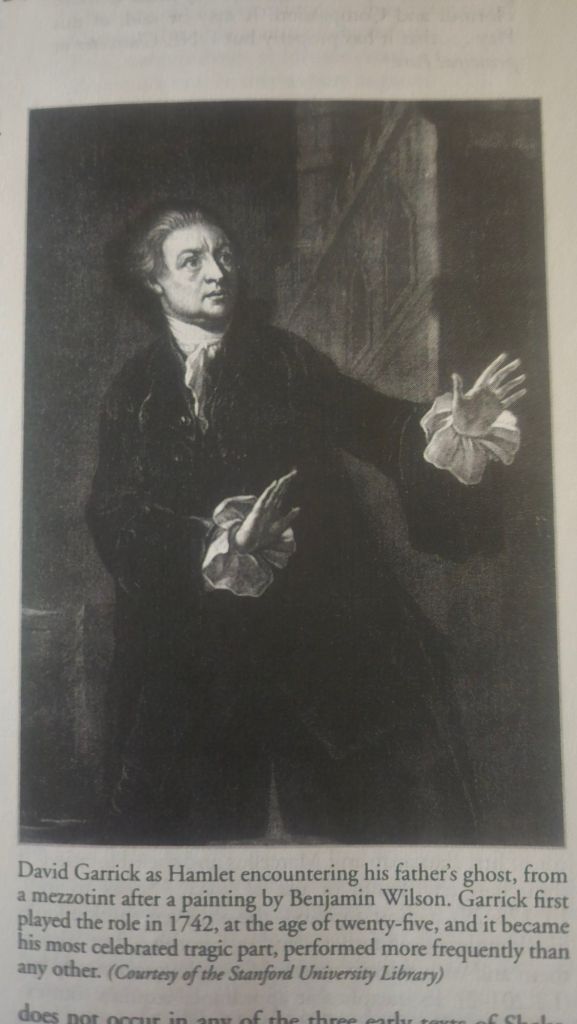
Oh, Hamlet. It’s the GREAT role a classical actor must decide if they want to tackle. Hamlet has more lines than there are total lines in many plays (including Shakespeare’s own MACBETH). So, is he a brilliantly thoughtful young man being driven mad by the political machinations swirling around him as he helplessly struggles to regain control of the kingdom he was due to inherit? Or is he a passive, weak man unable to take action to affect the change he longs to manifest? Depends how you play it. Derek Jacobi was my first Hamlet (the BBC production televised on PBS) and it was like that first hit of heroin I’ve had recovering addict friends describe. Life ain’t the same after this! I’ve lost count of the Hamlets I’ve seen. And I still watch in awe when the actor gets it right. Like the tenor in TURANDOT hitting the high-note. Less immediately tied to visible youth than Romeo, many a fine Hamlet have been performed by actors (and some actresses) considerably older than the character’s age of 30. And it’s an Everest of sorts. But life is long and, if we’re lucky, we keep climbing…
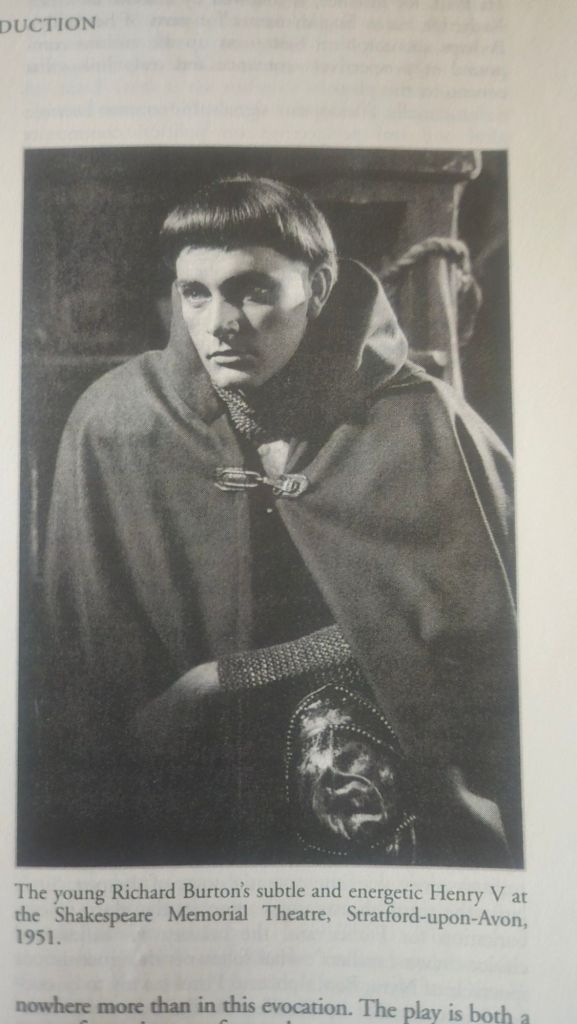
Henry V begins his role technically younger than Hamlet, but he ages into the historic king to reach an age older the Dane. And many actors feel he’s a physically heroic character that offers challenges that ultimately train the actor to face the upcoming challenges once midlife beckons. My first serious attempt at Shakespeare as an actor was playing the Chorus in a production of HENRY V and that’s language that never leaves you once you’ve learned it. And the lead role does offer a moral clarity that is in complete contrast to the existentially lost Hamlet. But, as previously mentioned, midlife beckons…
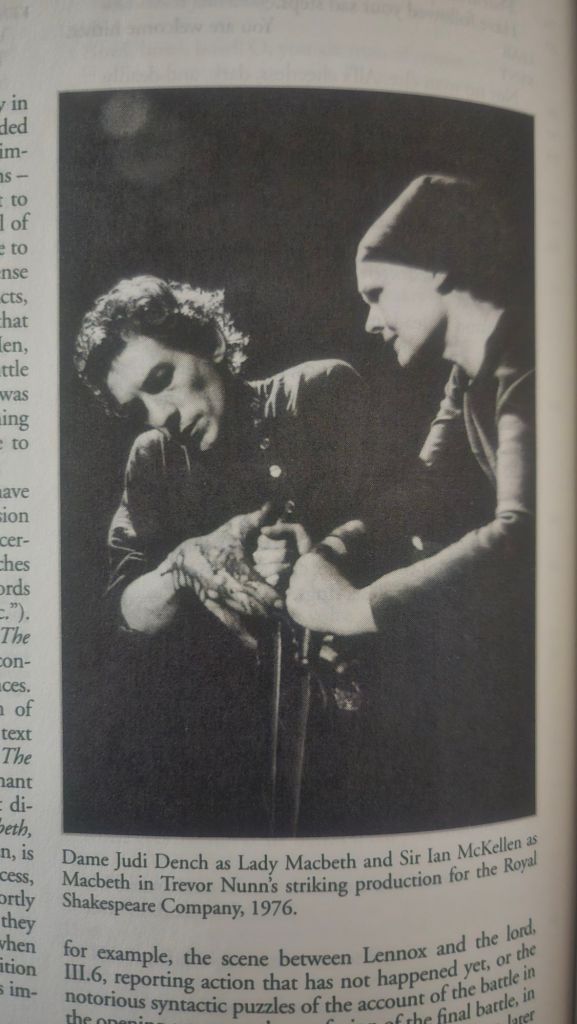
Midlife often offers that terrifying stage in life where the ladder may go one way or another. Leaving the rigors of youth, you need to decide if now is the time to tackle your middle-aged comedic self with Benedict from MUCH ADO ABOUT NOTHING, or now is the time to face a midlife crisis on cocaine with MACBETH. The man’s having some serious questions about his career, his status, his legacy, his marriage, his lack of children. Considering all that, who wouldn’t consider killing the guy in charge to see how that might benefit your career enhancement. It’s the closest thing Shakespeare ever wrote resembling a piece of true horror. The audience senses that supernatural forces are at serious work forging events on stage. Unlike A MIDSUMMER NIGHT’S DREAM, it ultimately ends in tears. But you do get some beautiful sound, fury, and a damned spot before it all ends. But, if horror’s not your thing…we keep climbing…
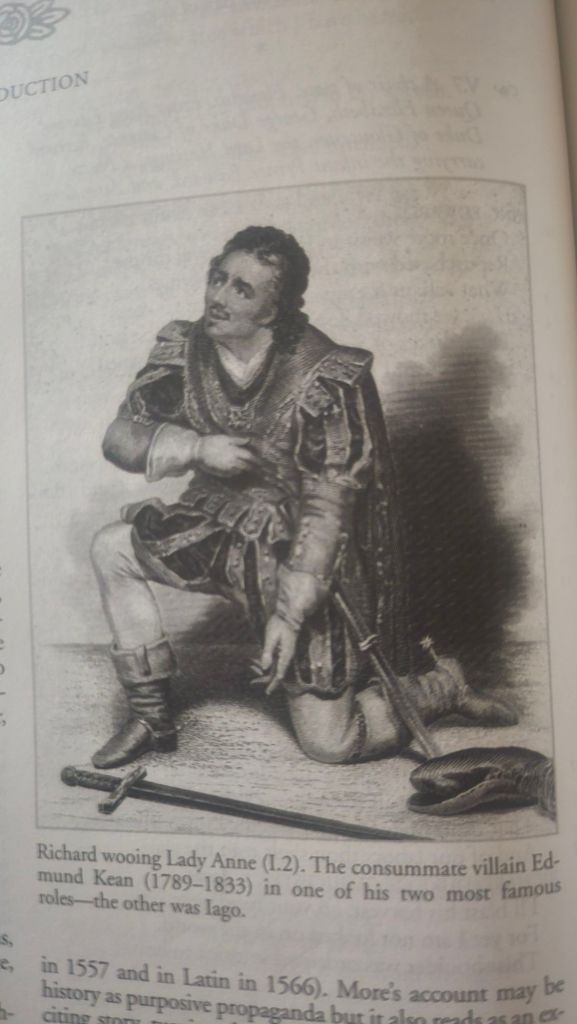
If you’re the sort of actor who wants his midlife crisis to play less like a horror thriller and more like a psychological thriller, Richard III is likely your way to go. A role that still requires the physical rigors of youth but now demands an understanding of loss, betrayal, disillusionment, and malaise that a thirty-something simply can’t fathom. Because there’s growing merit as an actor at this stage of life that comes along for one simple fact: you stuck around life a little longer and it hasn’t killed you yet. Richard III can be straight-up villain or tortured figure done-wrong by circumstance. Again, how do you play it? Ian McKellen’s 1995 film version is probably the strongest adaptation (sorry, Olivier, McKellen’s got you beat here). He plays villain AND tortured soul…sometimes in the same scene. Exquisite!!! But let’s take an intermission here as we’re gearing up for the really big climb: later middle age. And it’s taking a little longer to climb at this point…(to be continued…)
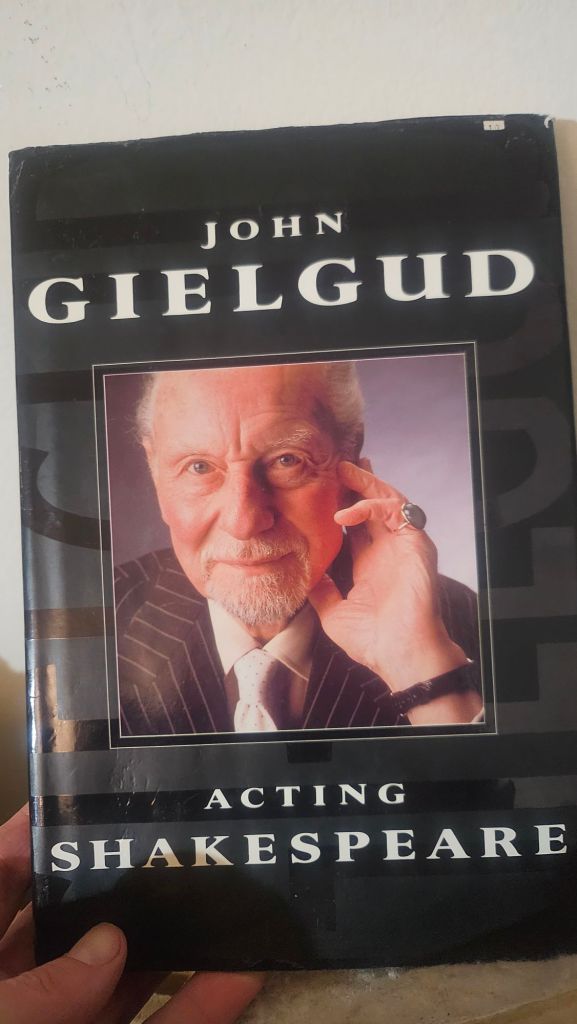
Ok, now that we’ve taken that midlife breather, wrestled with our first colonoscopy, and grieved our once youthful visage (while also trying to determine how our hairline shifted so prominently so quickly), we head up the next rung in the Shakespearean Actor’s Ladder and face what lead roles face us after Macbeth and Richard III (or Benedict, if you’re not down with the whole tragical thing). And who better to consult than the great John Gielgud. A grand actor of the grand RSC tradition. And, quite frankly, a wondrous actor who never truly “read” young at any point in his career. His look was distinguished and poised. But never puckish. This was a man destined to fo his finest work in his later career. So, the perfect match for this stage of the ladder as we climb to the next role…
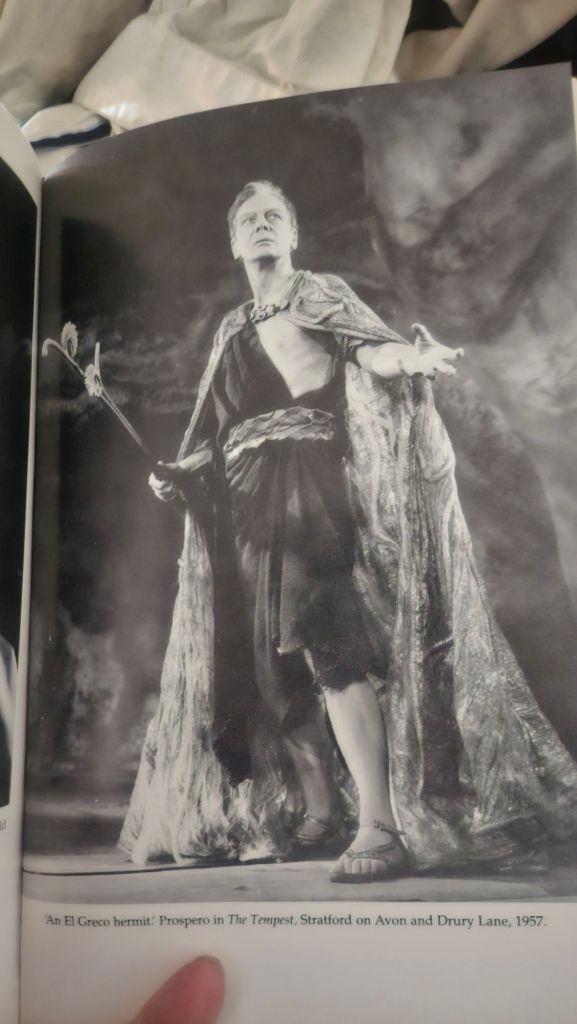
Prospero in THE TEMPEST is widely considered to be the role Shakespeare wrote as a meditation on his own waning career. The character feels like he’s the bridge between the lingering physical rigor of the midlife crisis of Macbeth (perhaps his youth is gone, but the Scot can still make his point with a physical rapier) and King Lear’s fading vigor. Prospero’s rapier is his wit and command of verse. The mastery of language required to get through much of Prospero’s text is a clear warm-up for Lear. And Prospero requires a warmth Macbeth doesn’t. Unlike the Scot, Prospero has raised a daughter and, as any parent will tell you, the depth of empathy required to raise a child so profoundly changes you. Having to explain the concept of death to a child the first time they ask you about the meaning of mortality is something a non-parent will simply not understand with the same bracing reality. Macbeth is childless and must deal with the possibility his legacy dies with him. Lear does have children and must deal with the possibility that his children may not give him what he needs. Prospero fits snugly in that interim. But if this sort of late middle age strife isn’t your bag…we keep climbing…
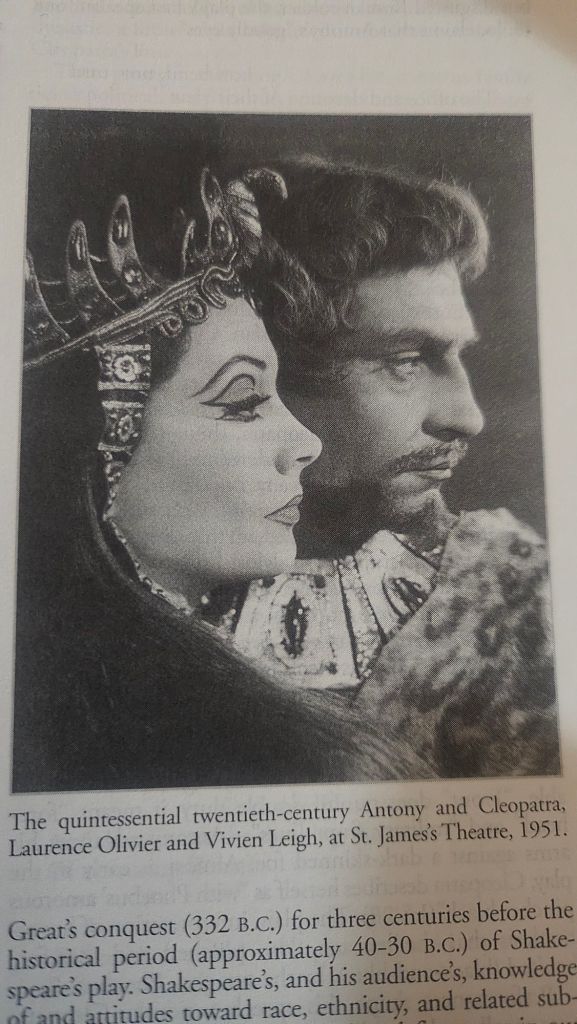
If ever there was a Shakespearean lead you can see as the “man-o-sphere” ideal, I’d argue it’s Marc Antony. Yes, the script of ANTONY AND CLEOPATRA repeatedly makes mention of his age (“old ruffian…grizzled”) and how he’s not in the same prime as younger Octavius Caesar. But he’s a seasoned general still taking on the world and romantically involved with a fox of a woman quite younger than him. The one diversion from the “man-o-sphere” ideal, it could be argued, is that the quite younger fox of a woman is no shrinking violet. Cleopatra is never going to be your “trad-wife.” But this version of Antony still has the poetry that gets an actor ready for Lear. And this is a play that deals with Antony losing so much (unlike JULIUS CAESAR). Shakespeare reminds us strength can only hold back the forces that topple us for so long. But there’s a bit more of a climb before the end…
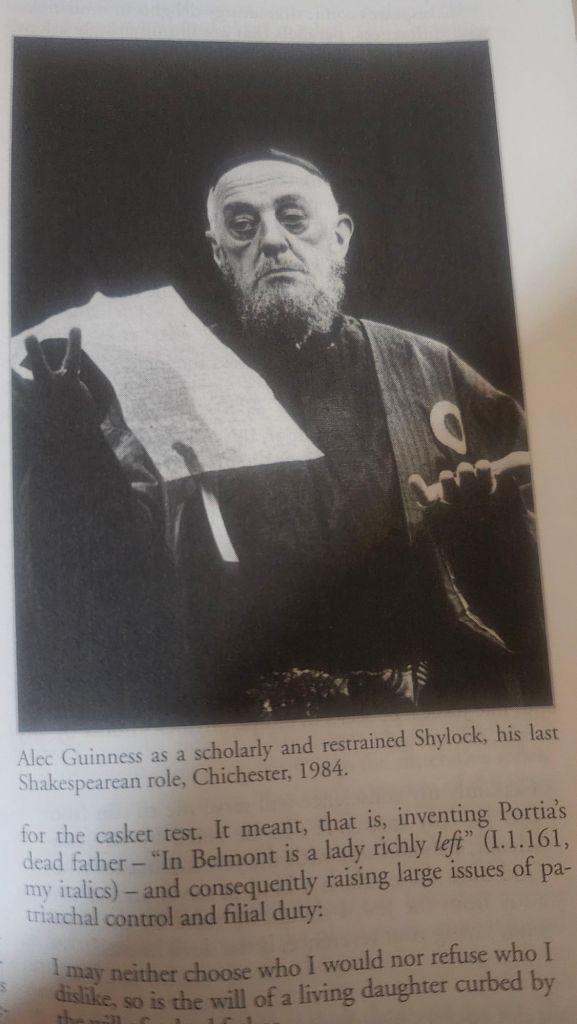
Honorable mention must be given to (arguably) the most complex character in Shakespeare’s canon. This is a stunning role for an actor heading into the age that will ultimately tackle Lear because he’s not a physically demanding role. He’s purely emotional. Moral (or ultimately immoral?). Vengeful. Spiteful (?). I often wonder if Shylock is truly more complex than any other Shakespearean character. Or is our relationship with the character complex? 21st Century audience looking at a character written centuries ago. Is he a fascinating character? Absolutely! Is he an anti-Semitic representation? Possibly. Was Shakespeare anti-Semitic? Possibly. Is Shylock a villain in THE MERCHANT OF VENICE? Possibly. Will I put his “To bait fish withal” monologue up in my Rob Gordon-style Top 5 of Great Shakespeare Monologues? Absolutely. In the same vein as “To be, or not to be,” it is a monologue that asks what it means to be human. Hamlet wonders why not end it all while staring down the enormity of the eternity that sits in front of him. Shylock asks why not seek revenge when we’ve all been wronged. And we’re all human. “If you prick us, do we not bleed?” The most poignant use of the monologue outside this play is the character who distracts the Nazis long enough to allow the other players to escape in the classic TO BE OR NOT TO BE (personally, I’ll take the Jack Benny version, but Mel Brooks’ attempt has some golden moments). Still, the climb up the ladder continues…
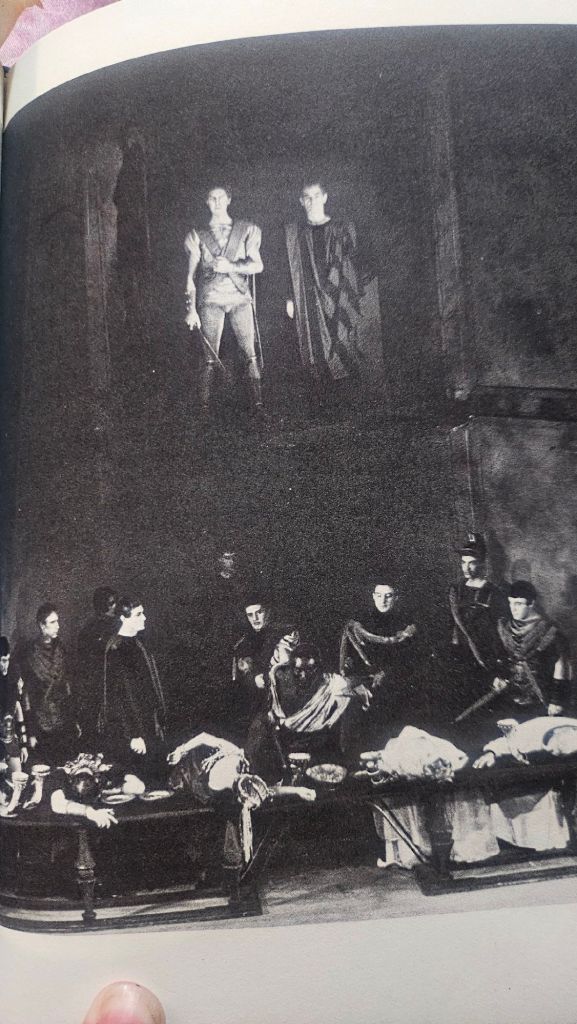
Special (dis?)honorable mention should also be made for Titus Andronicis as we move up the final ladder rungs to Lear. Titus is our battle-weary Roman general returning from decades of war with grown children—physically older and more broken down than Macbeth, Antony, or Prospero, yet enduring relentless physical and emotional torment before reaching Lear’s final frailty. My only “dis” to this one would be it’s early Shakespeare where he was finally clearing any gnarling Christopher Marlowe revenge play instincts out of his system. It’s violent revenge porn, colored Elizabethan. But it’s also a character with multiple children facing the sort of feral emotional loss that sets you up for what Lear faces in the end. It’s brutal, savage, and still tender (summed up in part when Titus regrets the killing of a fly during dinner, wondering if its “pretty buzzing melody” will be missed by the fly’s family. It’s the sort of artistry you can only truly get from the Bard. But it keeps us climbing….
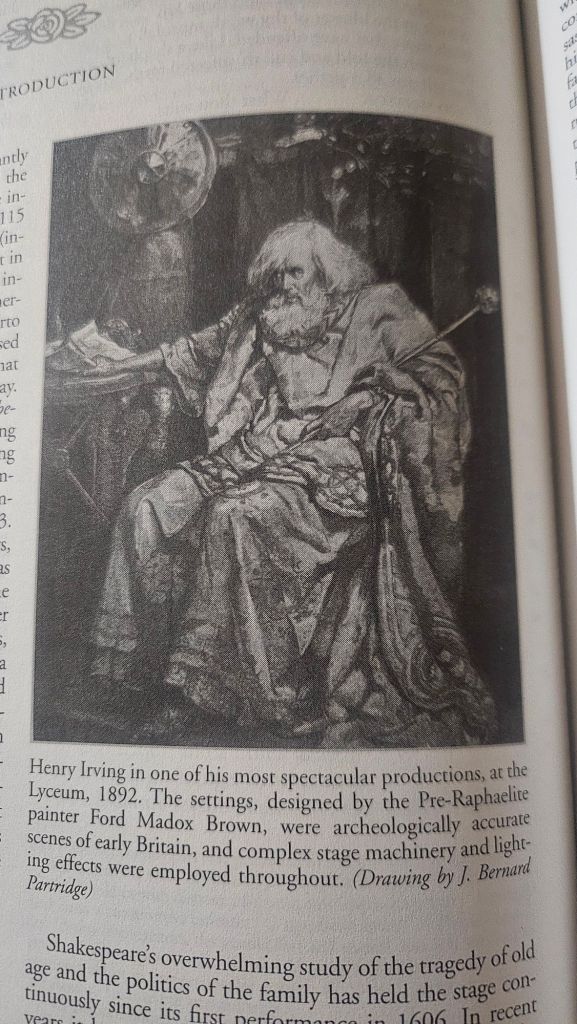
And the top of the ladder is King Lear. I sometimes wonder if this is what Hamlet would have become if he had lived, he had won, he had saved the kingdom, he had slayed his uncle, he had honored his father. Might he still be a frail, broken man wondering if his legacy would matter. Did his children truly love him? Would his impact matter? Or would he just fall into madness? As, perhaps, we all ultimately do. Olivier often echoed an ongoing sentiment: if you’re young enough to shoulder the physical demands of Lear, you’re also too young to understand him. If you’re old enough to understand him, you’re not physically able to shoulder the physical demands. It does feel the opposite of Hamlet. You’re young enough to play him? You don’t understand him. You’re old enough to understand him? You’re not young enough to play him. And this is what makes the ladder a true bitch. You’re either too young to understand (while physically able) or too old to handle the athletics (but you finally understand what they’re going through. The ultimate lesson is this: just do tge role given to you when you get cast. You’re never going to be the perfect age or have the perfect understanding anyway. So, climb the ladder and take the roles when offered. You’ll regret the roles you didn’t do at the perfect age more than the roles you DID do imperfectly at the wrong age.

