One of my favorite Shakespeare performances ever was actually a gender-reversed production of JULIUS CAESAR done by the storied Judith Shakespeare Company that made their bread and butter these sort of fascinating investigations into women playing men’s parts and men playing women’s parts. I admittedly wonder if this sort of playing with traditional tropes becomes more interesting if you already know the material as opposed to coming in uninitiated. I always try to stay aware that someone will be experiencing the play for the first time, and do these gender swaps stay true to the original intent? But, alas, the Bard was a bit of a boy’s club when it came to roles. So actresses do have to work with what’s given. But they also have their own Actress’ Ladder to climb when it comes to Shakespeare roles originally written to be women (just a reminder that boys played women’s parts in Shakespeare’s day) and this ladder is a fascinating mirror to our last session’s men’s roles. So, let’s start the climb for the ladies…
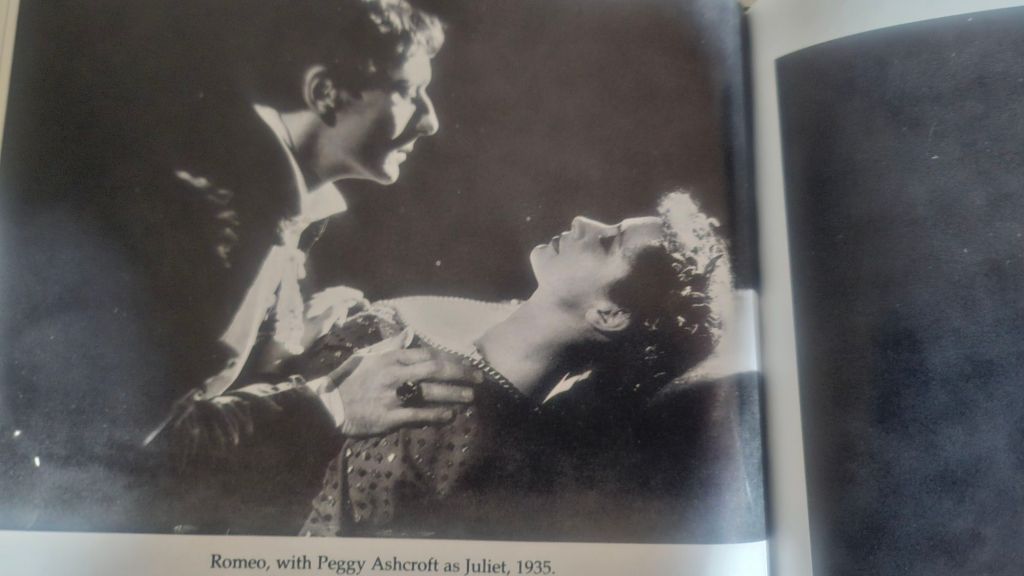
Our very young actresses begin in the same play as our very young lads do: ROMEO AND JULIET. And I always find Juliet the more interesting character. She easily has the most recognizable passage in the play (“O, Romeo…” may be as well known as “To be, or not to be…”) and the poetry she’s given later in the play (especially after discovering Romeo’s end…sorry, kids…spoilers…this is another Shakespeate play that all ends in tears…”Then I’ll be brief. O happy dagger!”) Having said all that, getting this play right truly comes down to getting a good director to give the thing scope as the supporting players are, arguably, even more interesting than our primary lovers. But that’s often the case with these “star-crossed” affairs. The lovers have to love and to suffer. Everyone else has to wrestle with the remaining tumult. But our great Shakespearean actress only stays so young for so long before moving up the next rung on the ladder…
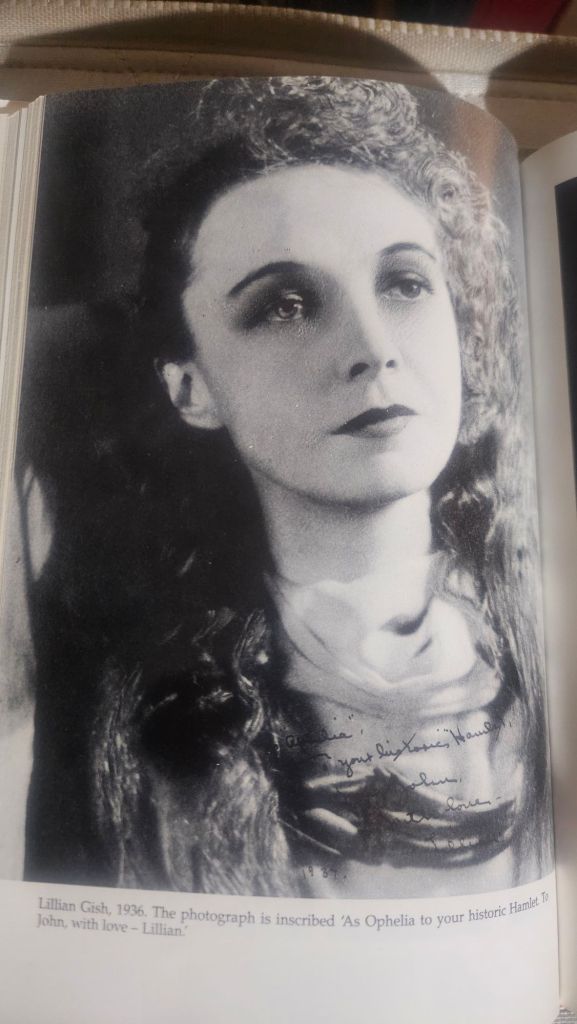
And our next rung up the Actress’ Ladder lands us in another play where we meet our fellow lad on his ascent. Once again, all roads lead to HAMLET. Ophelia is very likely the one character in the play that understands the Dane in ways no one else can. And that’s the burden of these great loves who truly get our heroes as it’s also that understanding that ultimately drives them mad. Like the role of Hamlet, Ophelia requires a fearless commitment to expose so much heart and soul. This is a performance where the actress must take no prisoners. Once again, spoiler alert, this all ends in tears. But Ophelia is also a role that demands the same mastery of the language that Hamlet requires. As it was once said of Ginger Roger’s, she has to do everything the male lead does, but backwards. And in heels. “Get thee to a nunnery” is savage. And this is another showing how Romantic love of this temperature can only end in an explosion. Actresses feint of heart need not apply. But life keeps life-ing, and the next rung of the ladder beckons (because “time waits for no one…)
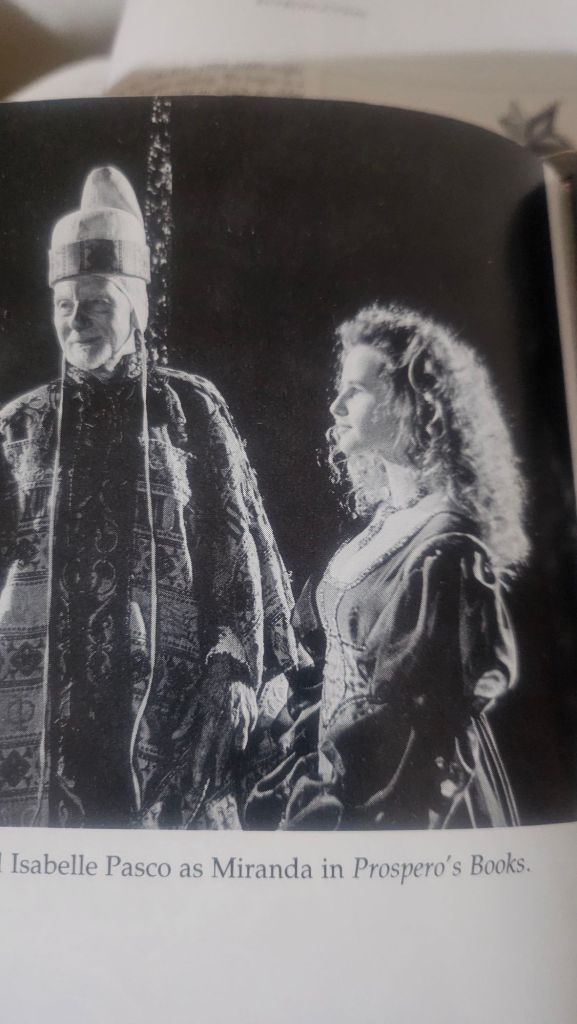
Honorable mention should be given to Miranda in THE TEMPEST as she lends the play its one female character, and she has to hold her weight against the actor playing Prospero (yet another actor ascending his side of the ladder). She may not have as many lines as Rosalind from AS YOU LIKE IT (who we could also argue should be on this ladder, and arguably requires more gravitas as a role), but she needs to anchor Prospero as his daughter. But youth is fleeting. And we keep climbing this ladder…
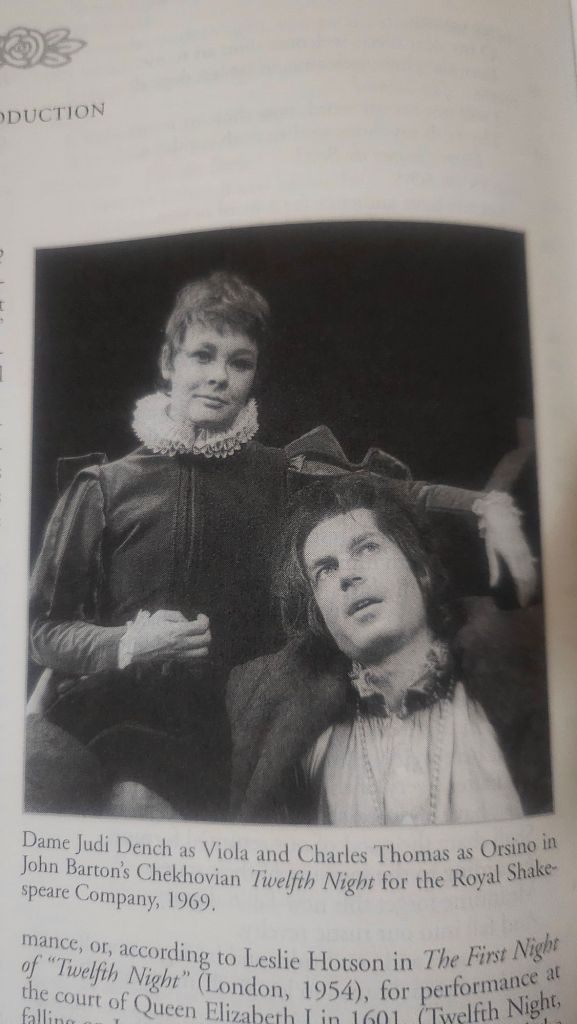
“She loves me sure!” may possibly be one of the greatest realizations in all of Shakespeare’s plays as our cross-dressing Viola suddenly pieces together that Countess Olivia is in love with her…thinking she’s a man…because Viola is trying to pass as one due to plot contrivances. The female lead in TWELFTH NIGHT is a refreshing step away from the tragical nature of Ophelia or Juliet as it requires a deft skill with Shakespeare’s more comic language. And our leading lady has to be convincing enough playing a man to convince at least Olivia that she’s a “he” without it becoming a vaudeville act. It’s easily one of the Bard’s best comedies and has easily been the template for so many later date adaptations (you’ve seen at least a handful of romantic comedies borrowing these tropes…but Shakespeare was nicking tropes from Seneca and various Greek playwrights as well…so it all evens out). But there’s only so much time for mirth before the really serious climbs beckon…
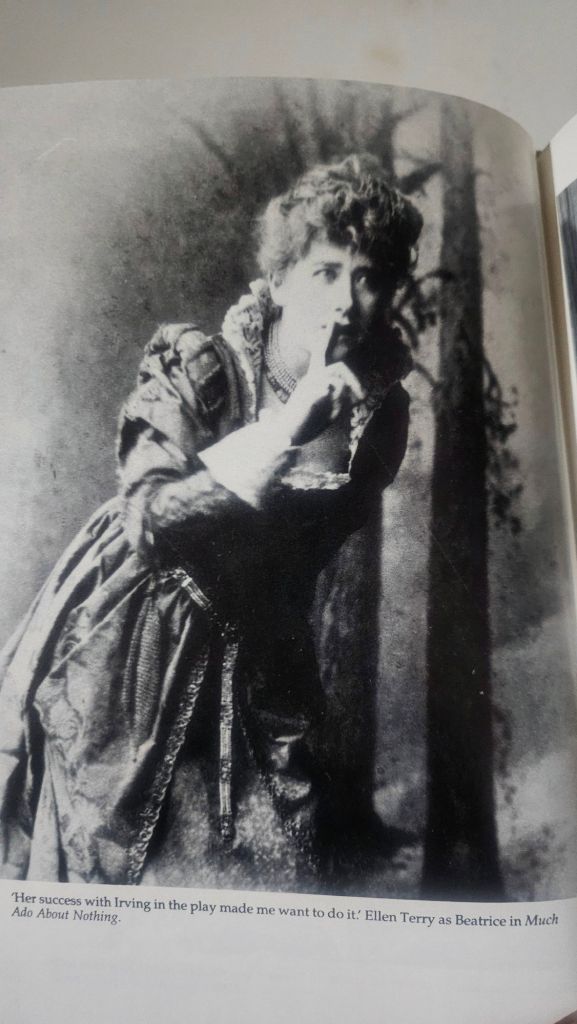
Well…just before getting to the serious portion of the latter ladder climb, let’s have just a few more laughs with Beatrice from MUCH ADO ABOUT NOTHING. Another female role where we may be meeting our male counterparts on the ascent (Benedick is also cited as another actor’s role to tackle at an age before Macbeth’s “sound and fury” comes calling). The play is much more of an ensemble piece, but the lady playing Beatrice needs to be sassy, sexy, funny, and wise. And she needs to hold her own against the actor playing brazen Benedick. Another role that is pure joy when the actress gets it right. But, alas, this is where the laughing needs to fade. As with the lad’s, things get darker farther up the ladder…
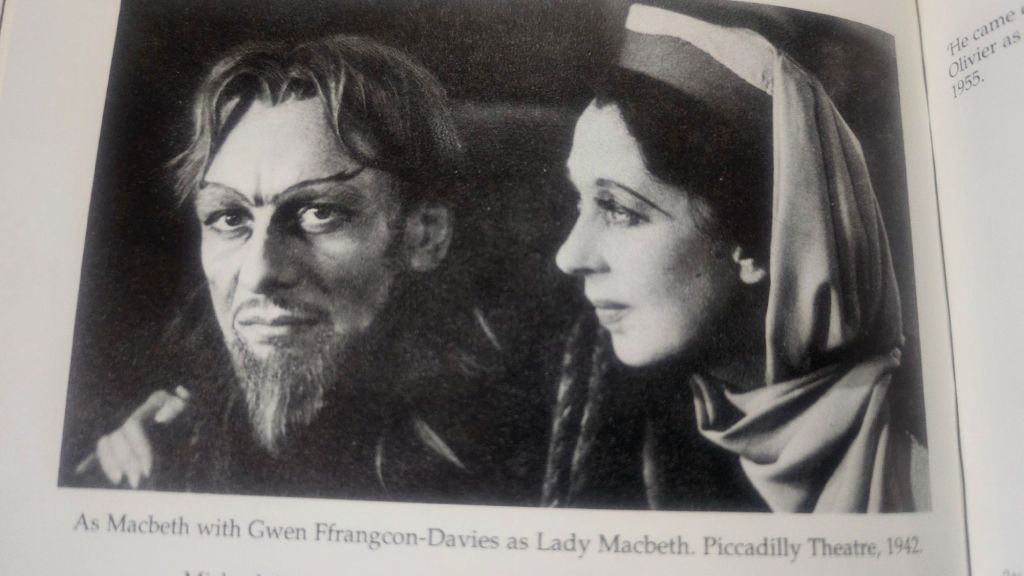
“Out, damned spot! … Hell is murky…who would have thought the old man had so much blood in him?” I believe it could be argued Lady Macbeth is demonstrably more compelling than the title character. Another rung on the ladder where actor and actress meet around the same age in life. Macbeth certainly has some of Shakespeare’s best text. Yet another dagger. So many daggers. But this once? “Dagger of the mind.” And, still, Lady Macbeth’s attempts to incite the proverbial riot by pressing Macbeth’s fiendish deeds is devastating. And places her in a position of more authority. And it’s also her downfall that lands more dramatically. Watching her downturn is both heartbreaking and feels narratively appropriate. And you need to be truly fearless to tackle this one. However, time marches on and the ascent continues…
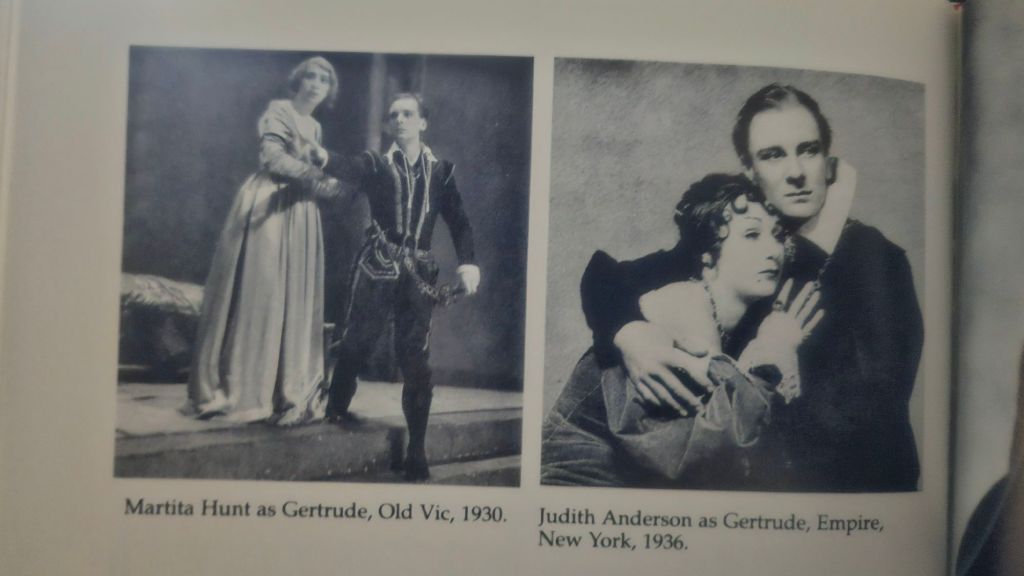
Many actresses I discussed the Actress’ Ladder with were never sure if they placed Gertrude from HAMLET on it with the same reverence as the other roles listed. But we all admitted it’s a role women must decide if they’re going to tackle before moving farther up the ladder. Unlike Ophelia, the role is much more part of the ensemble, and Gertrude’s internal life is left more up to interpretation (does she truly know the depth of the conspiracy? Would she have acted differently is she did?) But she’s a major character in arguably the most seminal work Shakespeare did. And the role certainly requires an understanding of aging and loss you don’t quite get as a younger actress. So, we felt it needed to also get an honorable mention before heading farther up the latter ladder…
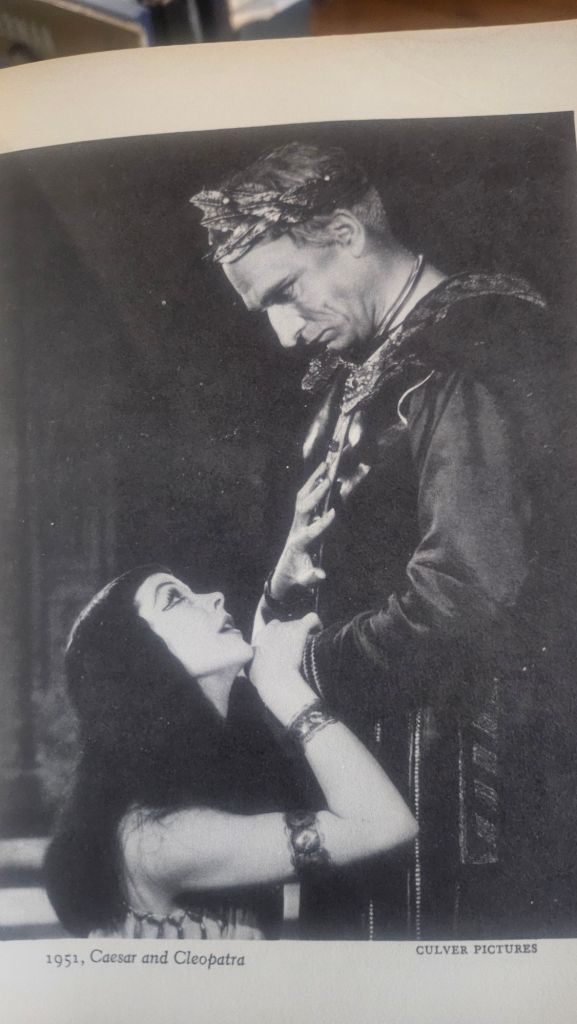
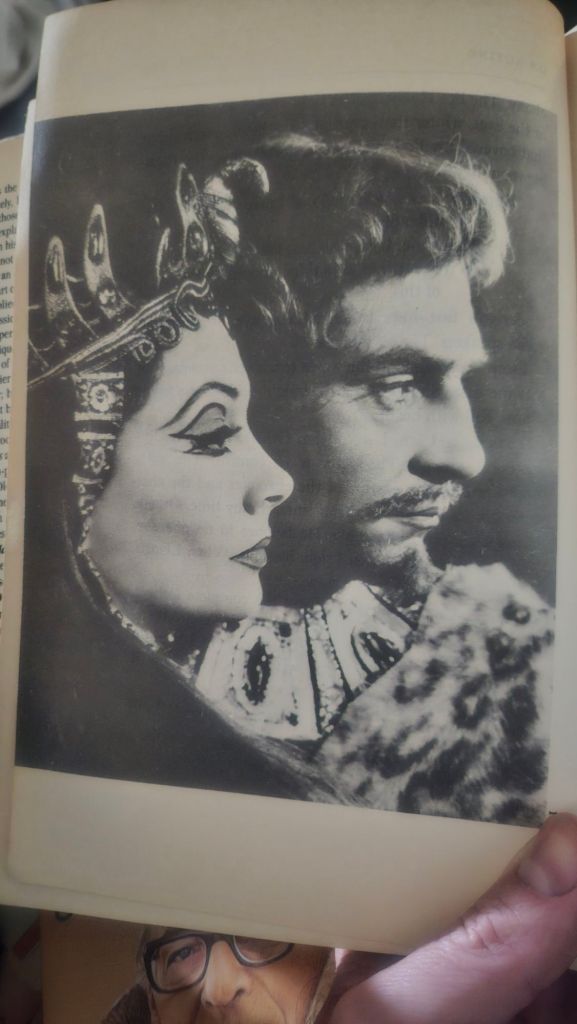
And we meet again ANTONY AND CLEOPATRA. Once again, Actor and Actress find themselves on the same rungs near the same stage of life. The actress playing Cleopatra has to do Ginger Rogers again. She has to do everything the male lead must do but backwards. And in Egyptian garb. In addition to giving us strength, she has to give us her best exotic temptress, she has to feel a political threat, and be a figure of mythical splendor. All in Egyptian garb. And playing this force of nature prepares our grand dame of a thespian to ascend the ladder once more…
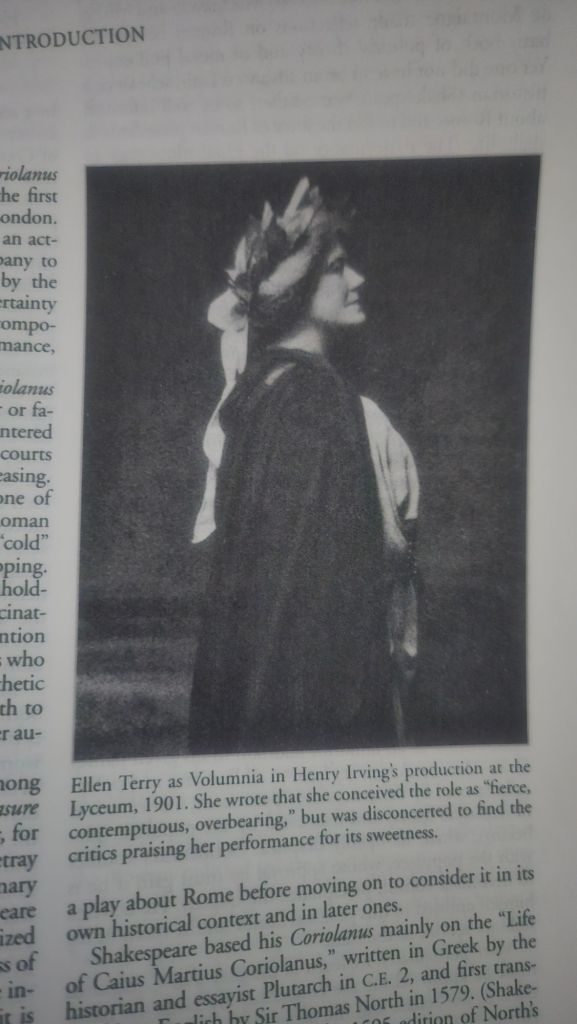
The truly fascinating aspect of Volumnia in CORIOLANUS is how unlike the rest of the Shakespeare ladies her character ultimately is as she’s not written as an ingénue, a Romantic heroine, or a political femme fatale. She’s a mother that brilliantly persuades our title character to spare the city, knowing this will likely be his undoing. And her final speech is a plea not from a lover or a fellow soldier, it’s from a mother: “Should we be silent and not speak…Making the mother, wife, and child to see The son, husband, and the father tearing his country’s bowels out.” The actress at this rung of the climb must do in a few scenes what she had over five acts to do as seductive, mythical Cleopatra. Yet one feels this is an actress needing to be at the top of her game.
And that is one of the most compelling thing ultimately about the discipline of acting. The instrument must still be sharpened even as it’s changing.
And the actor has to stay sharp even as they’re climbing.
But the rule’s the same for both ladders: don’t think too much about right time and right place. This is where madness lies. Do the best for the part when offered. I’ve seen gender-swapped King Lears that were brilliant. 70-year-old Hamlets that were stunning. And a lady playing Brutus in JULIUS CAESAR that knocked it out of the park. To echo Mamet: if you’ve got something to say, say it (especially whenever they hire you). And think well of yourself while you’re learning to say it better (because ladders are for climbing and getting better at the climbing).

